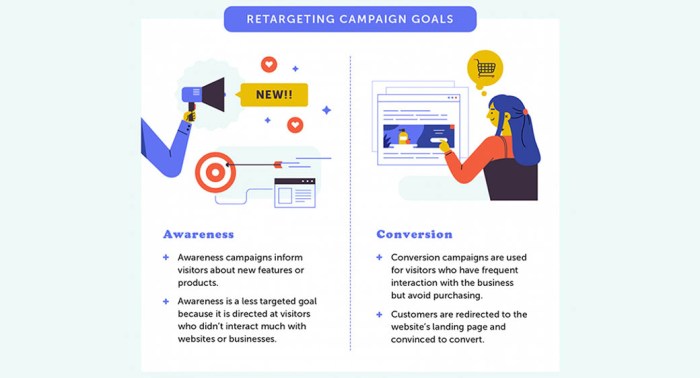
Retargeting campaign strategies are revolutionizing how real estate agents connect with potential buyers and investors. By leveraging the power of retargeting, agents can effectively remind and engage audiences who have previously shown interest in properties. This approach not only enhances visibility but also increases the chances of conversion by delivering tailored messages to specific segments.
In the competitive landscape of real estate marketing, understanding the nuances of retargeting is crucial. From identifying the right platforms, like social media and specialized websites, to analyzing key performance metrics, this strategy offers a robust framework for engaging with prospects who may have slipped through the cracks. With the right tactics, agents can refine their advertising efforts and achieve remarkable results.
Understanding Retargeting Campaigns in Real Estate
Retargeting campaigns are powerful tools in the digital marketing arsenal, particularly in industries like real estate where the decision-making process can be lengthy. By serving targeted ads to users who have previously interacted with a real estate brand, agents and agencies can maintain visibility and encourage potential buyers to reconsider properties they may have viewed.Retargeting involves tracking users who visit a website and then displaying tailored ads to them on various platforms.
This strategy is crucial in real estate marketing as it allows agents to stay top-of-mind for prospective clients, nudging them towards engagement and ultimately, conversion. The effectiveness of retargeting campaigns lies in their ability to create personalized experiences based on user behavior, which is essential in a market where trust and relationship-building are paramount.
Platforms Used for Retargeting in Real Estate
Numerous platforms facilitate retargeting efforts for real estate professionals, each offering unique features and audiences. Understanding these platforms can enhance campaign effectiveness significantly.
- Social Media: Platforms like Facebook and Instagram are popular for retargeting due to their extensive user base and sophisticated ad-targeting options. Real estate agents can use these platforms to showcase specific properties to users who have previously expressed interest.
- Google Display Network: Google’s vast network allows agents to retarget users across numerous websites, displaying banner ads that keep properties in front of potential buyers after they leave the agent’s website.
- Email Marketing: While not traditional retargeting, strategically timed emails can serve as reminders to revisit a property or listing. This approach can be integrated with remarketing lists to deliver personalized content effectively.
- Real Estate Platforms: Specialized platforms like Zillow or Realtor.com can also implement retargeting ads, ensuring that potential buyers continue to see listings they’ve previously viewed.
The choice of platform often depends on the target demographic and the types of properties being marketed, as different channels attract different user behaviors and preferences.
Key Metrics to Measure Success of Retargeting Campaigns
To gauge the effectiveness of retargeting campaigns in real estate, it is essential to monitor specific metrics that reflect user engagement and conversion rates.
- Click-Through Rate (CTR): This metric indicates the percentage of users who clicked on the retargeting ad after seeing it. A higher CTR suggests that the ads are relevant and appealing to the audience.
- Conversion Rate: This metric measures the percentage of users who took a desired action, such as filling out a contact form or requesting a property showing, after clicking the retargeting ad. It directly reflects the campaign’s effectiveness in driving leads.
- Cost Per Acquisition (CPA): Understanding the CPA helps determine the return on investment of a retargeting campaign. It reflects how much is spent on advertising for each successfully converted lead.
- Engagement Rate: This includes metrics such as likes, shares, and comments on social media ads. High engagement indicates a strong connection with the audience.
- Return on Ad Spend (ROAS): This metric evaluates the revenue generated for every dollar spent on advertising. A positive ROAS indicates a successful campaign.
By analyzing these metrics, real estate agents can refine their retargeting strategies, improve ad content, and ultimately enhance their ability to convert leads into clients. Effective tracking and analysis can provide invaluable insights into customer preferences and campaign effectiveness, leading to more successful marketing efforts.
Effective Strategies for Retargeting Campaigns
In the competitive landscape of real estate, retargeting campaigns serve as a powerful tool to re-engage potential buyers and investors who have previously shown interest. Understanding the nuances of designing effective retargeting advertisements can significantly enhance conversion rates and boost sales. This section will delve into specific strategies that can optimize your retargeting efforts for real estate properties.
Designing Retargeting Advertisements for Real Estate Properties
Creating visually appealing and relevant retargeting ads is crucial in capturing the attention of interested parties. Here are some effective strategies to consider when designing these advertisements:
- High-Quality Imagery: Use compelling, high-resolution images of the properties to showcase their best features. This visual appeal can draw in users who are already familiar with the properties.
- Dynamic Ads: Implement dynamic retargeting ads that automatically display properties users viewed on your website. This personalized approach increases the likelihood of engagement.
- Clear Call-to-Action (CTA): Ensure your ads feature a clear and enticing CTA, such as “Schedule a Tour” or “View More Listings,” to encourage immediate action.
- Highlight Unique Selling Points: Emphasize what makes the property stand out—be it location, amenities, or price reductions. This can capture the interest of hesitant buyers.
Segmenting Audiences Based on Behavior and Interests
Segmenting your retargeting audience effectively allows for tailored messaging that resonates with various groups. The approach can be organized as follows:
- Website Visitors: Target users who have visited specific property pages. They have shown interest and may need a gentle nudge to revisit.
- Previous Inquiries: Focus on individuals who filled out forms or contacted your agency but did not follow through. Offering incentives can rekindle their interest.
- Engaged Users: Retarget those who engaged with your social media posts or ads. Use content that aligns with their interests based on their interactions.
Creating Compelling Ad Content for Buyers and Investors
Crafting ad content that resonates with both buyers and investors is essential for driving conversions. The following tips can help create compelling messages:
- Personalized Messaging: Tailor your ad content to address the specific needs and interests of the audience segments. Use language that speaks directly to their motivations.
- Value Proposition: Clearly communicate the benefits of the property, such as investment potential or lifestyle advantages, to attract investor interest.
- Testimonials and Reviews: Incorporate positive feedback from past clients to build trust and credibility. Real-life success stories can resonate well with prospective buyers.
- Limited-Time Offers: Create urgency with time-sensitive promotions or exclusive offers that prompt immediate responses from potential buyers.
“The key to successful retargeting is not just in reaching out again, but in reaching out with the right message at the right time.”
Retargeting Techniques for Different Real Estate Sectors

Retargeting campaigns are crucial for maximizing engagement and conversions in the real estate market. Given the unique characteristics of various sectors—ranging from residential to commercial properties—different strategies must be employed to effectively reach the target audience. Understanding these distinctions can lead to better-targeted ads, improved user experiences, and ultimately, more successful outcomes.A tailored approach to retargeting is essential, as each real estate sector has its own dynamics and customer expectations.
For instance, the audience for commercial properties may prioritize different aspects compared to those looking for residential homes. This section will delve into specific retargeting techniques suitable for various real estate sectors, highlighting how to adapt strategies for luxury homes, foreclosures, and distinct audience segments like first-time homebuyers and commercial developers.
Retargeting Tactics for Commercial Properties Versus Residential Properties
When it comes to retargeting in the real estate sector, it’s vital to distinguish between commercial and residential properties. In commercial real estate, the audience typically comprises business owners, investors, and developers seeking spaces for operational needs or investment opportunities. The retargeting approach should focus on:
- Business-centric messaging: Highlight features like location benefits, square footage, zoning information, and ROI potential.
- Industry-specific content: Provide resources like market analysis reports or case studies relevant to specific industries such as tech, retail, or logistics.
- Longer consideration times: Use remarketing strategies that account for the longer decision-making process involved in commercial property investments.
Conversely, residential property retargeting should emphasize emotional appeal and lifestyle benefits. Tactics include:
- Highlighting community aspects: Showcase nearby schools, parks, and local amenities to resonate with families or first-time homebuyers.
- Visual storytelling: Utilize high-quality images and videos in ads to create an emotional connection with potential buyers.
- Urgency and exclusivity: Promote limited-time offers or exclusive home tours to encourage quick action among interested buyers.
Utilizing Retargeting Campaigns for Specific Niches
Certain niches within real estate, like luxury homes or foreclosures, require bespoke retargeting strategies that cater to their unique audience profiles. For luxury homes, the retargeting strategy should include:
- High-end visuals: Use stunning imagery and video tours to highlight luxurious features and exquisite design.
- Personalized approach: Leverage data to create tailored ads that speak to the lifestyle aspirations of affluent buyers.
- Exclusive content: Offer access to private showings or invite potential buyers to exclusive events to elevate the brand’s prestige.
In contrast, retargeting for foreclosures should focus on:
- Value proposition: Emphasize cost savings, the potential for renovation, and the chance to own a property below market value.
- Educational resources: Provide guides on the foreclosure process, financing options, and potential pitfalls, ensuring buyers feel informed and supported.
- Targeting investors: Develop campaigns specifically aimed at real estate investors looking for profitable opportunities.
Comparison of Retargeting Strategies for Various Audiences
Different audiences within the real estate sector require tailored retargeting strategies that reflect their specific needs and behaviors. First-time homebuyers typically appreciate informative and supportive content, such as:
- Educational guides: Create resources that simplify the home-buying process, covering topics like financing and property inspections.
- Personalized communication: Use data to tailor messages about properties that fit their budget and preferences.
- Engagement incentives: Offer incentives like homebuyer seminars or consultations with real estate agents.
Real estate investors often look for analytics-driven insights, therefore retargeting should focus on:
- Market trends: Provide data on emerging markets, rental yields, and investment opportunities.
- ROI-focused messaging: Highlight properties with strong investment potential and historical appreciation rates.
- Networking opportunities: Invite investors to exclusive events and workshops to foster connections within the industry.
Commercial developers require comprehensive information, showcasing:
- Project viability: Present market studies and demographic analyses that support development decisions.
- Collaboration opportunities: Encourage partnerships by highlighting potential collaboration with local governments or business entities.
- Innovation in design: Showcase cutting-edge architectural designs and sustainable practices to attract forward-thinking developers.
Last Word
In summary, mastering retargeting campaign strategies is essential for any real estate professional looking to boost their marketing efforts. By employing effective techniques tailored to various audience segments and property types, agents can create compelling advertisements that resonate with potential buyers. As the real estate market continues to evolve, embracing these strategies will undoubtedly lead to greater success and a more substantial return on investment.
Question Bank
What is a retargeting campaign?
A retargeting campaign is a digital marketing strategy that targets users who have previously interacted with a brand or website, aiming to re-engage them with relevant ads.
How do I measure the success of my retargeting campaign?
You can measure success through key metrics such as click-through rates, conversion rates, and return on ad spend, which indicate how effectively your ads are performing.
What platforms can I use for retargeting in real estate?
Common platforms for retargeting in real estate include social media networks like Facebook and Instagram, as well as Google Ads and various real estate listing websites.
How often should I run retargeting ads?
The frequency of retargeting ads depends on your audience’s behavior and engagement; however, a balanced approach is recommended to avoid ad fatigue while maintaining visibility.
Can retargeting be effective for luxury real estate?
Yes, retargeting can be highly effective for luxury real estate by targeting niche audiences with tailored ads that highlight exclusive properties and unique selling points.