Personalized digital marketing is reshaping the landscape of how businesses connect with their audiences, creating tailored experiences that resonate on an individual level.
In an era where consumers are bombarded with generic ads, the significance of personalized strategies cannot be overstated. This approach not only enhances customer engagement but also drives conversions by aligning marketing efforts with the unique preferences and behaviors of potential clients, particularly in industries like real estate where decisions are deeply personal and impactful.
Understanding Personalized Digital Marketing
Personalized digital marketing has emerged as a transformative approach that tailors marketing messages and experiences to individual consumers based on their preferences, behaviors, and needs. In a landscape flooded with generic advertising, businesses must leverage personalization to stand out, foster customer loyalty, and drive conversions. The significance of personalized digital marketing lies in its ability to create more meaningful interactions with consumers, ultimately enhancing the customer experience and increasing return on investment (ROI).The core of personalized digital marketing lies in understanding customer data and utilizing it effectively.
By analyzing various data points, marketers can craft targeted campaigns that resonate with specific audiences. Key components of personalized digital marketing strategies include data collection, segmentation, personalized content delivery, and feedback mechanisms. Each of these elements plays a crucial role in creating tailored marketing experiences that align with individual consumer needs.
Key Components of Personalized Digital Marketing Strategies
The success of personalized digital marketing hinges on several foundational components. These components ensure that marketing efforts are effective and resonate with the target audience. Below are the key elements that contribute to successful personalized marketing strategies:
- Data Collection: Gathering data from various sources such as website interactions, social media behaviors, and purchase histories is essential. This data forms the basis of personalized marketing efforts, allowing marketers to understand customer preferences and behaviors.
- Segmentation: Once data is collected, it is vital to categorize customers into different segments based on shared characteristics. Segmentation helps in crafting targeted campaigns that appeal to specific groups, ensuring that the right message reaches the right audience.
- Personalized Content Delivery: Tailoring content according to customer segments enhances engagement. This can include personalized emails, targeted ads, and customized website experiences that reflect individual interests and behaviors.
- Feedback Mechanisms: Implementing ways to gather feedback from customers allows marketers to refine their strategies. Understanding how customers respond to personalized efforts can lead to more effective future campaigns.
Technologies Enabling Personalized Marketing Tactics
Numerous technologies play a pivotal role in enabling personalized marketing tactics. These technologies facilitate data analysis, content delivery, and customer engagement. Some of these technologies include:
- Customer Relationship Management (CRM) Software: CRM systems help businesses manage customer data, track interactions, and analyze customer behavior, which is critical for personalization.
- Artificial Intelligence (AI) and Machine Learning: AI algorithms analyze vast amounts of data to identify patterns and predict customer behavior, enabling marketers to deliver highly personalized content and recommendations.
- Marketing Automation Tools: These tools automate the process of delivering personalized messages across various channels, ensuring timely and relevant communication with customers.
- Data Analytics Platforms: Platforms that provide in-depth analytics help marketers measure the effectiveness of their personalized campaigns, allowing for continuous improvement.
“Personalized digital marketing is not just a trend; it’s a necessity in today’s customer-centric landscape.”
Applications in Real Estate
Personalized digital marketing has significantly transformed how real estate professionals engage with potential clients. By leveraging data-driven insights and tailored communication, realtors can create meaningful connections with buyers and sellers alike. This approach not only enhances customer experience but also drives better results in terms of property sales and client satisfaction.The integration of personalized marketing strategies can lead to improved outcomes for real estate agents and realtors.
For instance, by analyzing consumer behavior and preferences, agents can offer customized listings that align with potential buyers’ needs, thus increasing the likelihood of successful transactions. Personalized email campaigns, targeted social media ads, and tailored website experiences can further enhance lead generation and conversion rates.
Personalized Marketing’s Role in Home Building
Personalized marketing plays a crucial role in the home building process, directly impacting buyer decisions. When builders understand the specific desires and requirements of their target audience, they can create homes that resonate with buyers emotionally and functionally. Creating a personalized experience can be achieved through the following methods:
- Customized Design Options: Allowing buyers to choose layout options, materials, and finishes that reflect their personal style can significantly enhance their connection to a property.
- Targeted Content Marketing: Providing potential buyers with tailored content, such as virtual tours, detailed project updates, and neighborhood insights, helps them visualize the final product and makes their decision-making process smoother.
- Feedback Integration: Engaging with buyers during the building process for feedback on designs and features fosters a sense of ownership and investment in the project.
Personalization in home building not only increases buyer satisfaction but also leads to higher referrals and repeat business as satisfied clients share their experiences.
Personalized Strategies for Selling Commercial Properties
In the realm of commercial real estate, personalized digital marketing strategies are essential for attracting and retaining potential buyers. Understanding the specific needs of businesses looking for commercial spaces can significantly enhance the effectiveness of marketing efforts.To effectively market commercial properties, the following personalized strategies can be employed:
- Market Segmentation: Identifying and targeting specific industries or businesses that would benefit from the property ensures that the marketing message resonates with the right audience.
- Virtual Reality Tours: Offering immersive virtual tours allows potential clients to experience the space without needing to visit physically, making it more convenient for busy business owners.
- Data-Driven Insights: Utilizing analytics to understand market trends, property performance, and tenant requirements can help agents present compelling arguments tailored to prospective buyers’ needs.
By employing these personalized strategies, commercial real estate agents can enhance their outreach efforts, ultimately leading to higher engagement and successful property transactions. The effectiveness of personalized marketing in this sector lies in its ability to address the unique challenges and requirements of each business, driving informed purchasing decisions.
Targeted Marketing Techniques
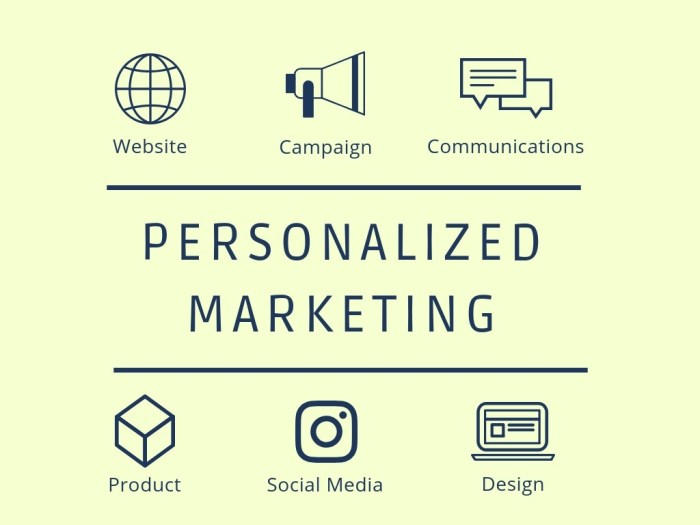
In the highly competitive real estate market, leveraging targeted marketing techniques is crucial for tailoring your messaging to specific audiences. By understanding the unique needs of different property segments and demographics, you can create personalized content that resonates with potential buyers and investors. This approach not only enhances engagement but also drives conversions effectively.
Creating Personalized Content for Different Real Estate Segments
Developing personalized content requires an understanding of various real estate segments such as condos, foreclosures, and green properties. Each segment has distinct characteristics and target audiences. Here are tailored content strategies for these segments:
- Condos: Highlight lifestyle benefits, such as proximity to urban amenities, community features, and maintenance advantages. Use visuals showing vibrant community life and include testimonials from current residents to enhance relatability.
- Foreclosures: Provide valuable insights on potential investment returns, renovation tips, and financing options. Showcase before-and-after transformations through case studies of successful purchases to inspire confidence.
- Green Properties: Emphasize sustainability features, energy efficiency, and lower utility costs. Incorporate infographics displaying the long-term financial benefits of eco-friendly living and share stories of families who prioritize green living.
Personalized Marketing for Real Estate Investors and Land Buyers
Targeting real estate investors and land buyers requires a strategic approach that speaks to their specific interests and goals. A personalized marketing plan can enhance your engagement with these audiences. Consider the following steps:
- Data Analysis: Utilize data analytics to understand investor behaviors and preferences. Segment your audience based on investment types, such as residential vs. commercial, and tailor your messaging accordingly.
- Content Marketing: Develop informative blog posts, eBooks, or webinars that address market trends and investment strategies. Position your content as a valuable resource that investors can rely on for guidance.
- Personalized Email Campaigns: Create targeted email campaigns that provide property listings aligned with an investor’s portfolio goals. Use dynamic content to display relevant properties that match their investment criteria.
Enhancing Property Visibility Through Personalized Home Staging Marketing
Home staging plays a pivotal role in how properties are perceived by potential buyers. Personalized marketing techniques can amplify the impact of home staging efforts. Here’s how to leverage this strategy:
- Tailored Staging Concepts: Customize staging to appeal to the target demographic, whether it be young professionals or families. For instance, a condo may benefit from a minimalist, modern aesthetic, while a family home may be staged to showcase spacious living areas and kid-friendly spaces.
- Visual Storytelling: Use high-quality images and virtual tours that portray the staged home in its best light. Highlight unique features and the lifestyle that comes with living in the property, making it easier for buyers to envision themselves there.
- Feedback and Adaptation: Gather feedback from potential buyers and adjust staging strategies based on their preferences. This iterative approach ensures that your staging remains relevant and effective in capturing buyer interest.
Concluding Remarks
In conclusion, embracing personalized digital marketing is no longer just an option; it’s a necessity for real estate professionals aiming to thrive in a competitive market. By leveraging innovative technologies and targeted strategies, agents can forge stronger connections with clients, ultimately leading to increased sales and satisfied buyers. As the digital landscape continues to evolve, staying ahead of the curve with personalized marketing will be key to success.
Question Bank
What is personalized digital marketing?
It is a marketing strategy that tailors content and offers to individual consumer preferences and behaviors.
How does personalized digital marketing benefit real estate agents?
It helps agents connect with potential buyers on a personal level, improving engagement and increasing sales opportunities.
What technologies are used in personalized marketing?
Technologies include data analytics, machine learning, and customer relationship management (CRM) software.
Can personalized marketing improve buyer decisions?
Yes, by providing tailored information and offers, it can significantly influence buyer decisions and enhance their experience.
What types of real estate can benefit from personalized marketing?
Various segments including residential homes, commercial properties, condos, and even foreclosure properties can benefit from these strategies.